
Medical Device
Manufacturer

Medical Aesthetics·PLLA

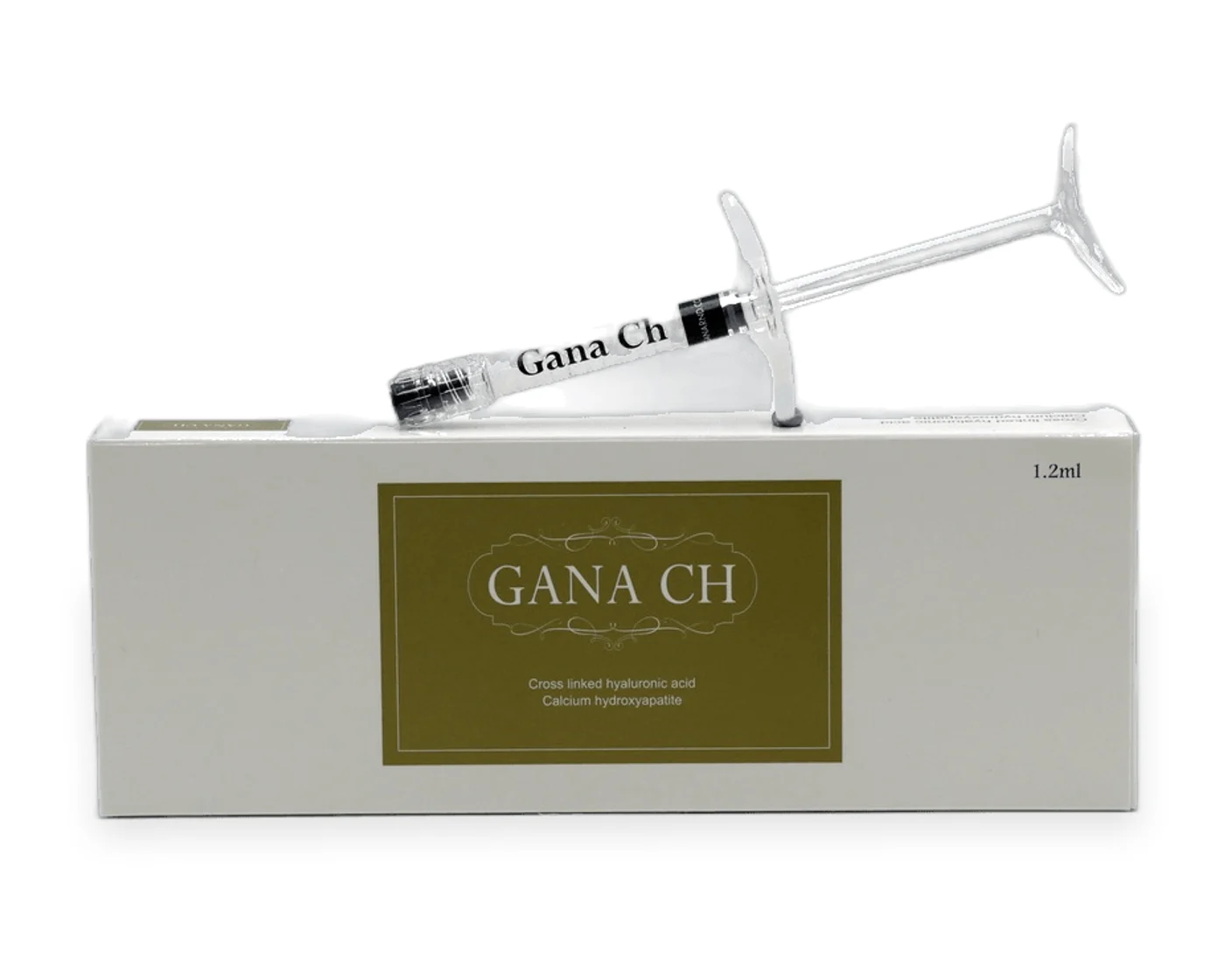
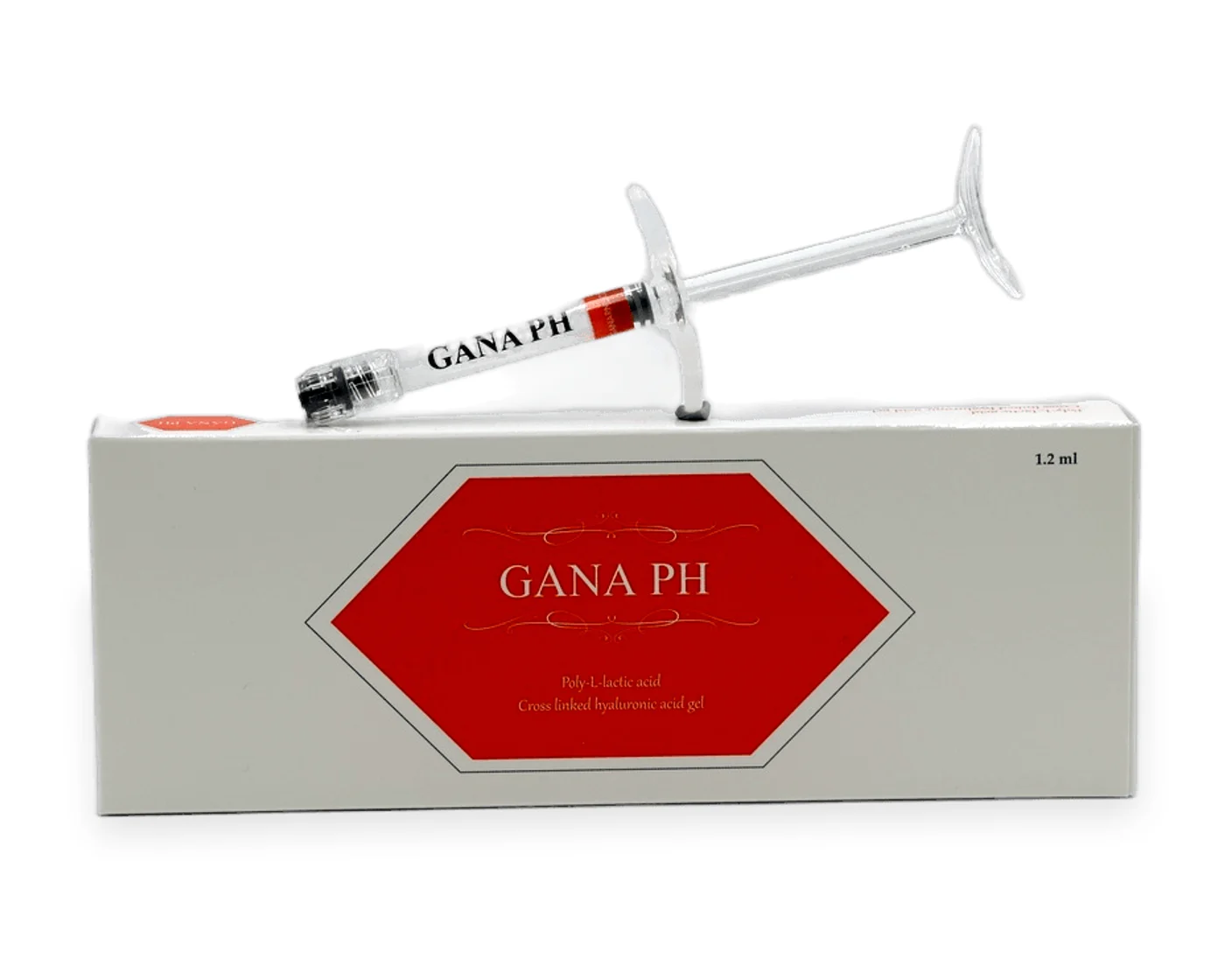
GANA PH

Poly-L-lactic acid microparticles (1 %) carried in a cross-linked hyaluronic acid gel: immediate volume from the HA, then collagen formation induced by the PLLA, with correction by hyaluronidase still possible.

01 At a glance

PLLA + HA dermal filler

  • Presentation1.2 ml prefilled syringe × 1 per box
  • Composition
    • Poly-L-lactic acid (PLLA) 10 mg/cc, average particle size 50 µm
    • Cross-linked hyaluronic acid gel 20 mg/cc
    • PLLA 1 % + HA 99 %
  • ChemistryPLLA
  • Registrations3 active · South Korea · Russia
  • Catalogue2026 GANA R&D product catalogue, p. 12–14
Request product information
GANA PH — carton with a 1.2 ml prefilled syringe and needles

02 On the record

Registrations for this product

GANA R&D is named as manufacturer on each entry. Every number can be checked on the authority’s public register.

Name as registeredJurisdictionRegistrationGrantedScopeVerify
GANA PH South Korea · MFDS 제허22-304 16 May 2022 Export Public register→
GANA PH Russia · Roszdravnadzor РЗН 2024/22794 30 May 2024 — Public register→
PH PLUS (GANA PH+) South Korea · MFDS 제허22-53 24 Jan 2022 Export Public register→

Roszdravnadzor’s registry uses a Russian state certificate. Browsers outside Russia may show a security warning before the record opens.

Manufacturer

  • MFDS manufacturing licenceGANA R&D Co., Ltd. · MFDS No. 4490 · Public register→
  • GMP certificateKCL-ABBA-19926 · valid to 3 Mar 2027
  • Manufacturing site555 Dunchon-daero, Jungwon-gu, Seongnam-si 13215, Republic of Korea

03 From the catalogue

Product details

Reproduced from the 2026 GANA R&D product catalogue. For healthcare professionals; these notes do not replace the instructions for use supplied with the product.

What is PLLA

Poly(L-lactide) is a biodegradable material with good bio-absorbability and biocompatibility. After degradation in the body, PLLA is excreted through metabolism and leaves no harmful residue. For these reasons PLLA is widely used in medicine: single-use infusion equipment, surgical sutures, drug-delivery carriers, tissue-engineering scaffolds, bone anchors, injectable microcapsules and microspheres, implants and elastomers for organ support.

Mechanism

  1. PLLA (poly-L-lactic acid) → immune reaction
  2. The polymer of lactic acid is taken up by macrophages
  3. Lactic acid → CO₂ + H₂O; the immune reaction activates fibroblasts to produce collagen

PLLA degradation: random enzymatic degradation reduces the molecular weight, then the low-molecular PLLA is phagocytosed by macrophages.

  • Freeze-dried PLLA has micropores
  • The micropores absorb water and the particles break down into small pieces
  • The broken PLLA particles induce a controlled inflammation
  • Which leads to collagen synthesis

PLLA replaces lost collagen and corrects the imperfection; the effect lasts more than two years.

GANA PH compared with HA and PLLA fillers

HA fillersPLLA fillersGANA PH
Duration1 year3 years3 years
MigrationYesNoNo
Collagen stimulationNoYesYes
Elimination by hyaluronidaseYesNoYes
SwellingNoYesNo
CorrectionYesNoYes
Dissolution with waterNot neededMany hours of waitingNot needed
Volume augmentationImmediateAfter 2 monthsImmediate
  • Drawbacks of existing PLLA fillers: initial swelling, initial volume loss, impossibility of correction, long dissolution time, a two-month lag before volume augmentation.
  • The main complaint about HA fillers: short duration.

Merits of GANA PH

  1. Early and longer volume augmentation of more than two years: immediate volume from the cross-linked hyaluronic acid gel, later volume from the collagen formed around the PLLA.
  2. Lower initial swelling, as the formulation contains no carboxymethyl cellulose.
  3. Immediate correction is possible with hyaluronidase.
  4. The injected PLLA induces collagen synthesis, so the duration of GANA PH is much longer than HA fillers.
  5. Newly formed collagen prevents migration of GANA PH.

Collagen-stimulating fillers in the GANA range

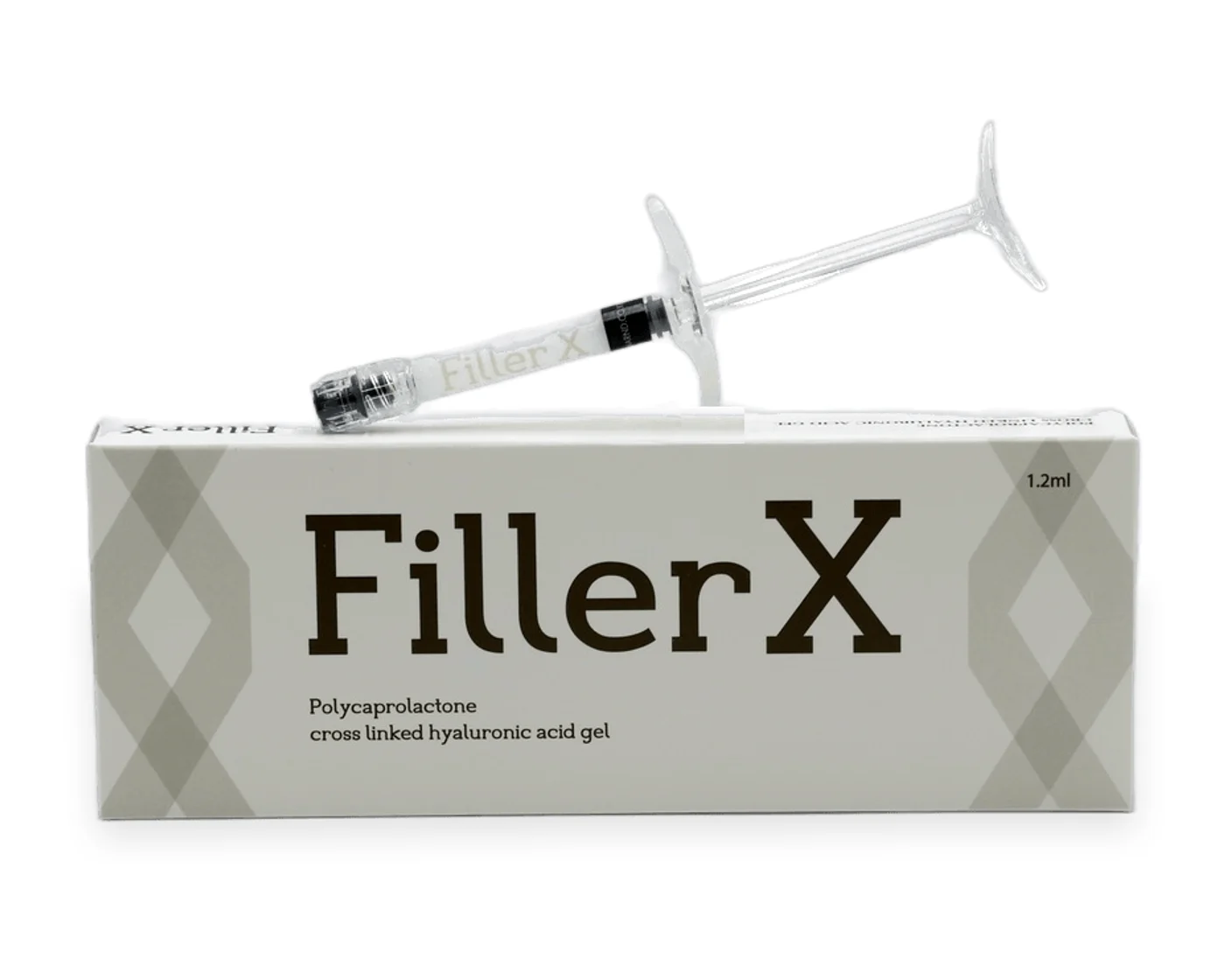
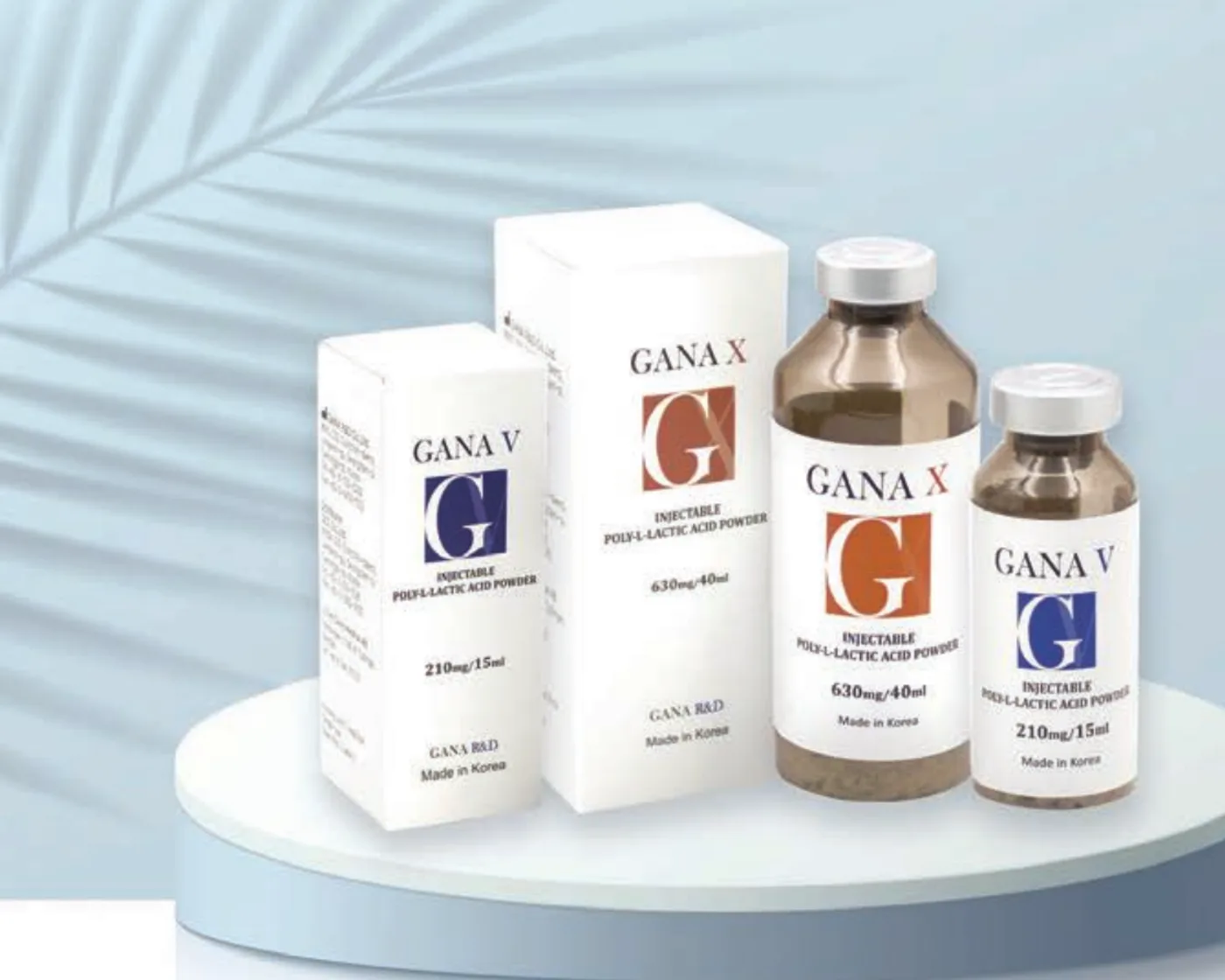
GANA V / GANA X, GANA PH and Filler X are all collagen-stimulating fillers. Do not use these products on the forehead, lips or periocular area.

Recommended dose

  • Both nasolabial folds: 1–2 ml
  • Both cheeks: 2–6 ml
  • Chin: 1–3 ml
  • Nose: 1–2 ml

Precautions

  • All collagen-stimulating dermal fillers start to form collagen in 4–6 weeks; plan the treatment accordingly.
  • Injected on the forehead or lips, a collagen-stimulating filler can form lumps. Do not use on the forehead, lips or periocular area.

04 Portfolio

Other dermal fillers from GANA R&D

All dermal fillers→

Ask for the dossier.

Registration certificates, instructions for use and technical documents for this product are available to distributors and clinics on request.

Request product information