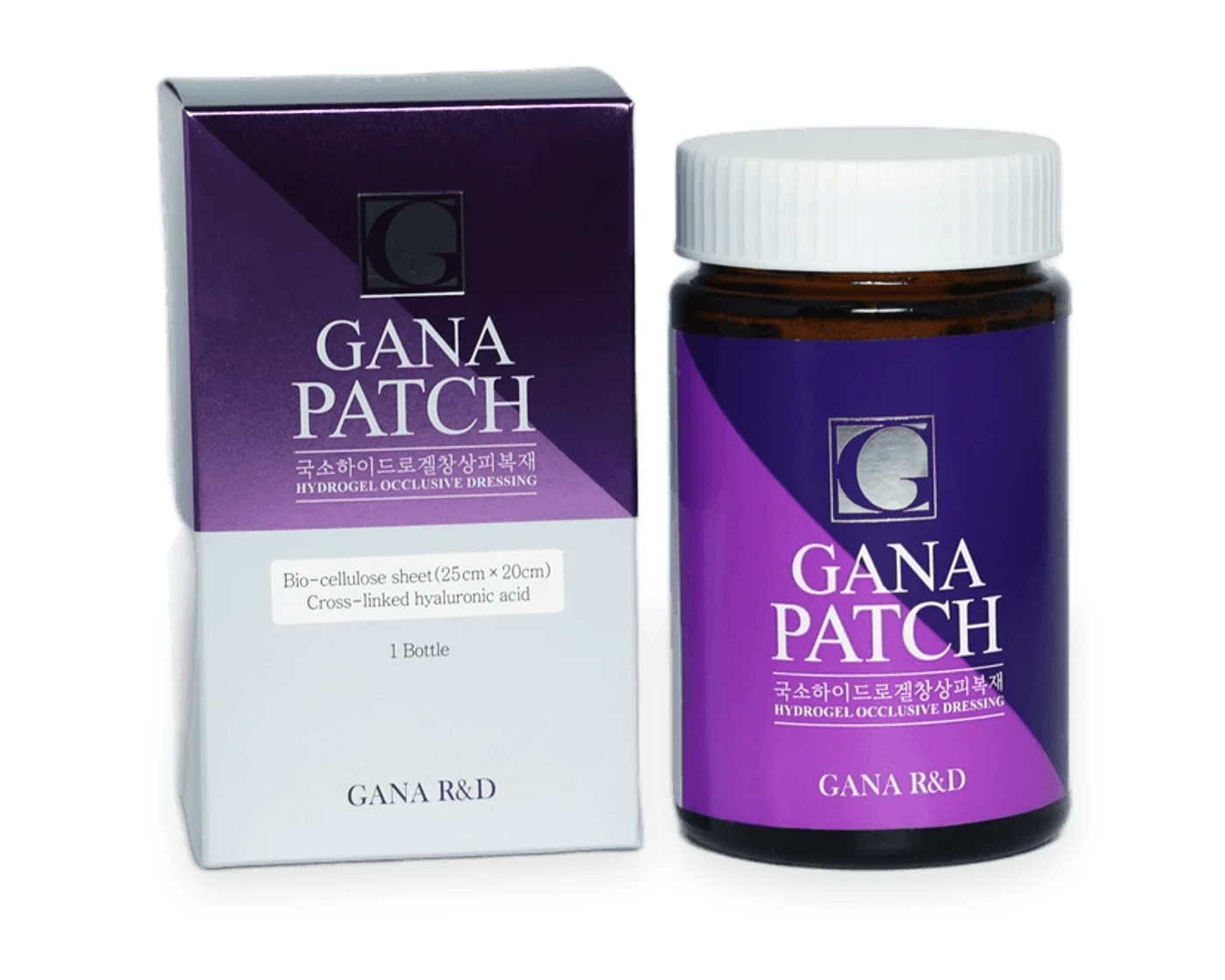
Bacterial cellulose is an organic compound with the formula (C₆H₁₀O₅)n produced by certain bacteria, principally of the genera Acetobacter, Sarcina ventriculi and Agrobacterium. It differs from plant cellulose in its high purity, strength, mouldability and increased water-holding ability, and by controlling the synthesis it can be tailored to specific properties. Historically limited to nata de coco, it is now used in textiles, cosmetics, food products and medical applications.
SEM findings: the aperture of bacterial cellulose is so small that cells and bacteria cannot pass through it, only water, and its surface area is so wide that the bio-cellulose holds a large amount of water. In conclusion, bio-cellulose protects against infection, absorbs exudate from the wound and lets water evaporate outward.
Hyaluronic acid (hyaluronan) is an anionic, non-sulfated glycosaminoglycan distributed widely through connective, epithelial and neural tissues. It is unique among glycosaminoglycans in being non-sulfated, forms in the plasma membrane instead of the Golgi apparatus, and can be very large, with a molecular weight often in the millions. As one of the chief components of the extracellular matrix it contributes to cell proliferation and migration. The average 70 kg person has roughly 15 g of hyaluronan in the body, one third of which is turned over every day.